
Mold Remediation
The mold remediation process isolates the affected area, clears and cleans mold growth and then addresses the cause of the moisture.
See mold remediationFor mold in carpet or under flooring in Brentwood, your scope should cover moisture, containment, cleaning, drying and repair.
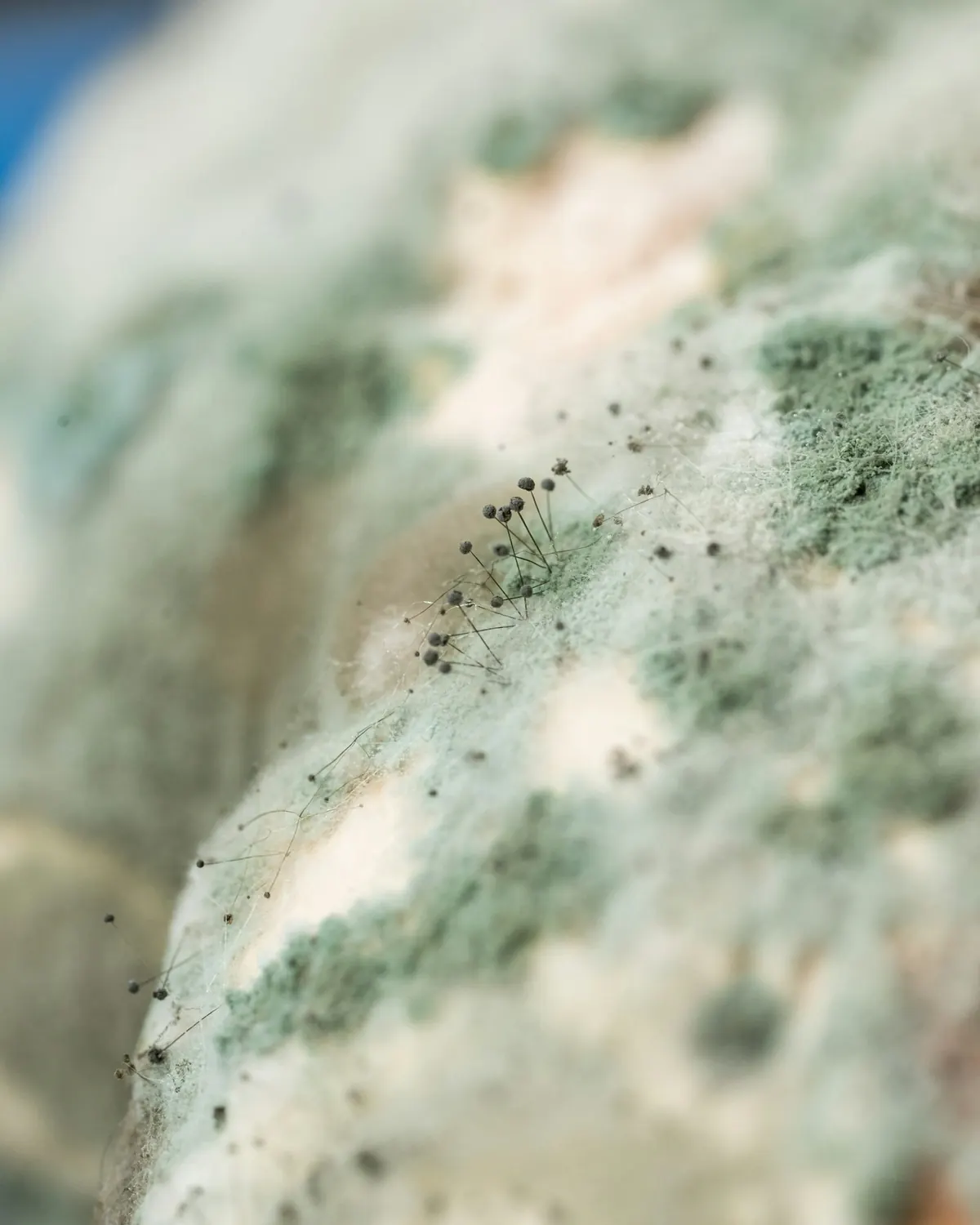
Before repairs begin, the work uncovers damp layers, cleans sound surfaces and removes damage.
Padding may be part of a carpet mold cleanup. Growth below the finish can reach joists as well as plywood or OSB subflooring.
Ask for a written work scope that identifies the affected materials, drying checks, containment, HEPA cleaning and repairs following remediation.
Any clearance testing should be performed by an independent assessor.
Ask how the moisture source will be located and verified before repairs begin.
Ask about controls for barriers, debris and moving air.
Removal boundaries, cleaning and repair work should be stated in the scope.
A moisture check may be warranted by a musty odor or an altered floor surface.
Dark seams and floor cupping may indicate a leak or slab moisture.
Any lower level with humid air or leakage can expose joists to moisture.
Swelling at the edges may indicate water absorption by planks and underlayment.
Unusual danger cannot be established by black mold in subfloor material. Color is not a measure of risk, according to CDC.
Leave the floor undisturbed while you stop the water safely.
Call (844) 352-3560Servpro puts related carpet repair or replacement at $775 to $2,600 and flooring repair after mold between $200 and $550 as related work. Fixr's water damage job figure for restoring one square foot of hardwood is $10 to $15 as a related rate. These costs do not represent a removal quote.
Published national cost guides are the source of these ranges, rather than an inspection of your property. Following an on-site assessment, the property price should be explained to you before any work begins.
Ask about cost: (844) 352-3560Coverage depends on where the water came from and your policy. Damage may be sudden or long term.
Common exclusions include slow leakage and ongoing humidity. Check your policy.
Under California's housing law, visible mold found by a health officer or code enforcement officer can make a rental substandard. Renters can contact their local health or code enforcement department to ask for an inspection. Your records should include dated photos and messages documenting odor, leakage and access.
California's Toxic Mold Protection Act includes a landlord written-disclosure section (Health and Safety Code 26147). By its own wording it applies only after the state adopts mold exposure standards, and the state health department has said it could not set them. Keep the scope, moisture readings, repairs and clearance results.
Promptly report it. Ask about removal approval, the deductible and any mold sublimit.
Floor construction, accessibility and the cause of moisture determine the sequence.
Moisture readings guide openings. A thermal imaging camera cannot confirm mold.
Poly sheeting and an air filtration device help contain dust.
Floor layers are lifted inside containment and bagged.
Damaged materials are taken out until a sound surface remains.
Physical cleaning removes mold on surfaces before HEPA vacuuming.
Air movers and a dehumidifier support drying. Repairs follow the moisture readings.
Dust is removed during final cleaning. Independent clearance testing may follow.

Call at any time. Your call reaches a floor and subfloor mold removal specialist who hears your concerns and explains the process ahead.
Surface cleaning may fail when concealed layers are affected or the water is contaminated.
A containment barrier, negative air pressure and HEPA air scrubber help contain mold spores.
Some people can experience allergy and asthma symptoms triggered by mold.
A moisture meter can detect damp padding, plywood or OSB beneath flooring that appears dry.
Can you clean it yourself? Homeowner cleaning is often possible for areas under about 10 square feet, EPA says. Correct moisture first. Professional assistance is appropriate with contaminated water, a larger area or HVAC involvement.
Access, dampness and repair needs after remediation determine the schedule.
Damp floor layers can produce a musty smell. That odor alone cannot identify the moisture location.
EPA recommends 30 to 50 percent as ideal relative humidity and says to remain under 60 percent. Correct condensation and any leaks.

California has no state license or certification for mold assessors or remediators, according to the California Department of Public Health. General construction work above a small dollar amount does need a license from the Contractors State License Board (CSLB), so it is worth checking a contractor's license there and asking about their mold training. Ask about applicable permits when the project involves structural repairs to a subfloor or floor joists.
To prevent mold growth, EPA says damaged items should be dried and water problems fixed within 24 to 48 hours.
Indoor mold has no limit established by the federal government. Focus on moisture and affected materials.
The California Department of Public Health (CDPH) Air Quality Section publishes mold and dampness guidance and a mold FAQ. CDPH says visible mold, dampness, and mold odor are unhealthy and should be fixed, and that routine mold testing is not needed when mold is visible. Check the requirements for your property type, proposed remediation and structural floor repairs.
The full floor and subfloor mold removal guide covers what is cleaned or removed, odor and air quality work, and the rules that apply in your state.
Read the full floor and subfloor mold removal guide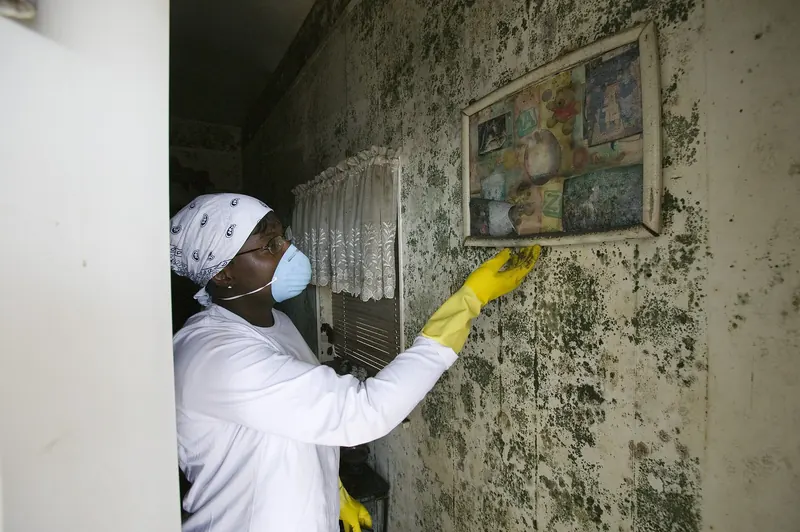
Local humidity and housing, along with access to your property, can influence mold cleanup planning, moisture control and containment.
A mold concern in Brentwood needs property-level evidence, including dampness, visible damage, and the confirmed water source, rather than assumptions about the whole neighborhood.
Areas under about 10 square feet can often be cleaned by the homeowner, while larger areas, HVAC systems, sewage, or contaminated water call for professional help.
Your call can include questions about mold cleanup availability in close-by communities and ZIP codes.
The mold remediation process isolates the affected area, clears and cleans mold growth and then addresses the cause of the moisture.
See mold remediation
During mold cleanup, affected surfaces and materials are cleaned, damaged items are bagged and the area is made ready for repairs.
See mold cleanup
When you cannot see growth within walls, under flooring or beyond a ceiling, hidden mold remediation finds and removes it.
See hidden mold remediation (behind walls)
Water damage mold cleanup includes clearing growth caused by a flood or leak and drying the affected structure against a return.
See water damage mold cleanup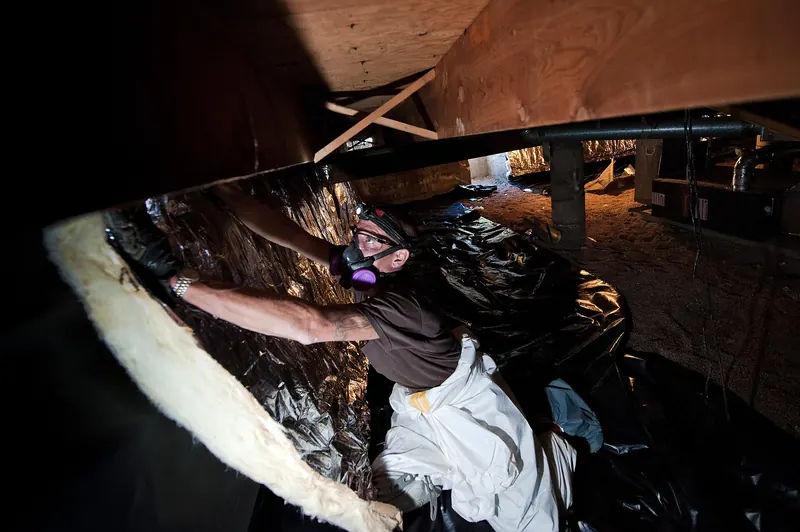
Crawl space mold removal cleans mold from joists, subfloor and insulation under the home and deals with the moisture feeding it.
See crawl space mold removal
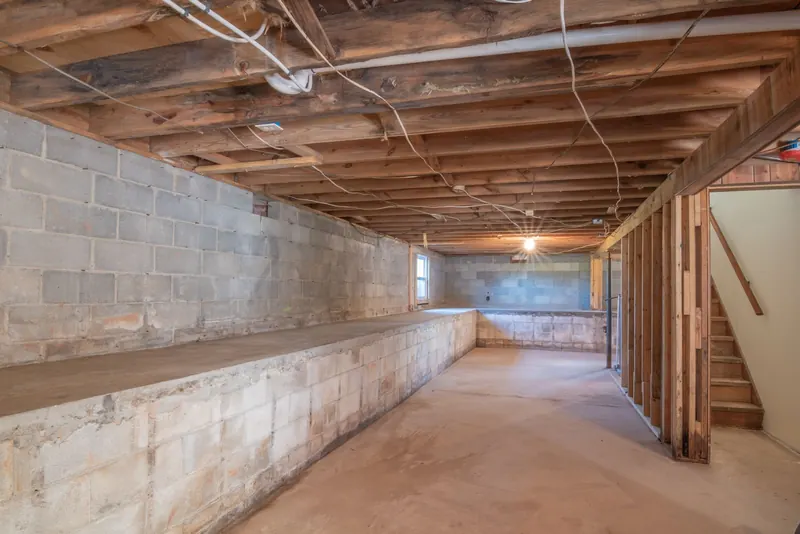
Basement mold removal addresses walls, framing, floors and stored items while correcting the damp conditions that support the growth.
See basement mold removal
Wood framing mold removal clears growth from studs, rafters and joists, allowing the structure to dry out before sealing.
See wood framing mold removal (joists, studs, rafters)
A visual check and air samples are part of mold clearance testing performed after removal to confirm a clean space.
See mold clearance testingA musty smell, darkened seams, returning stains, loose boards, cupping or soft spots are possible signs. Other problems may produce these signs. Without taking up every board, moisture readings plus a focused opening can reveal visible growth or water beneath hardwood.
Mold may appear fuzzy, spotted or discolored, although looks alone cannot verify it. A similar look can come from water stains, soil or past treatment residue. Before identifying the mark, inspect the crawl space, basement floor or another lower level for moisture and leaks.
Sometimes access from a basement, crawl space or other lower level allows inspection of the underside. Growth below glued vinyl, carpet padding, laminate or hardwood usually requires enough flooring removal to reach every affected surface, clean it and dry the layers.
There is no single published price for every job. Servpro lists related flooring repair after mold at $200 to $550 and carpet repair or replacement after mold at $775 to $2,600. Drying work, removal and later rebuilding do not always share one scope.
There is not one product that substitutes for cleaning and physical removal. Address incoming water, take out porous materials that cannot remain, clean sound wood, use a HEPA vacuum and dry the area. Antimicrobial treatment can support the written scope, though simply spraying a wet or unclean surface is insufficient.
The cause is usually moisture from a plumbing leak, condensation, humid lower level or ground moisture. Some crawl spaces also have problems when the moisture barrier is damaged or missing. Growth may return after cleaning if the moisture source is not corrected.
Calls about floor and subfloor mold removal are answered 24 hours a day, so you can receive clear and practical guidance.