Office Building Mold Removal
Office building mold removal cleans mold from ceilings, walls and ventilation in workplaces, often with after-hours scheduling.
See office building mold removalGet a plan for an office, store, warehouse, restaurant, school or hotel in Brentwood. It should cover containment and removal.
Commercial mold remediation contains growth, takes out damaged materials, washes surfaces and aids drying.
A commercial removal plan needs to consider people in the building, stored goods, airflow and spaces used by others.
A clear scope needs to set the removal boundaries and explain containment, HEPA filtration, negative air and limits on access.
Confirm how barriers and negative air affect inventory and ventilation.
The scope should list affected materials, drying, cleaning, repairs and removal limits.
Have an independent assessor evaluate the work completed by the mold removal business.
Ask which moisture readings verify drying and who will repair the source.
Widespread growth, contaminated water or HVAC equipment may require professional work.
EPA guidance calls for drying wet materials within 24 to 48 hours to prevent mold growth.
According to CDC guidance, color does not indicate risk. The plan depends on materials, the size of the area and moisture.
Check behind racks and pallets. Keep debris away from clean storage.
Plan containment and the project schedule around shared paths, inventory and building occupants.
Address the water, leave affected material alone and document damage before removal.
Call (844) 352-3560No guide prices commercial buildings separately. Fixr's general mold-work range is $1,500 to $9,000 for a project. For areas larger than about 10 square feet, Fixr puts the rate between $10 and $30 for each square foot. A $1,200 to $3,750 range appears in This Old House with credit to Angi. These guides do not give a property quote.
Published national cost guides are the source of these ranges, rather than an inspection of your property. Your property price is set after an on-site assessment and should be explained before work starts.
Ask about cost: (844) 352-3560A sudden, covered water event may make mold eligible for coverage under commercial property insurance. Exclusions or sublimits can still apply.
California's Toxic Mold Protection Act includes a landlord written-disclosure section (Health and Safety Code 26147). By its own wording it applies only after the state adopts mold exposure standards, and the state health department has said it could not set them. Keep the scope, repair documentation and any independent clearance report.
Find out about coverage for temporary relocation or interruption. Retain the project schedule.
The policy, moisture source and lease determine who pays. Under California's housing law, visible mold found by a health officer or code enforcement officer can make a rental substandard. Renters can contact their local health or code enforcement department to ask for an inspection. Save notice copies.
Promptly report water damage. Find out about required records, coverage terms and sublimits.
The process includes evaluation, containment, material removal, cleanup, drying and verification. Work scheduled after business hours can change the timeline.
Damp materials can be found with a moisture meter. Thermal imaging shows patterns rather than mold.
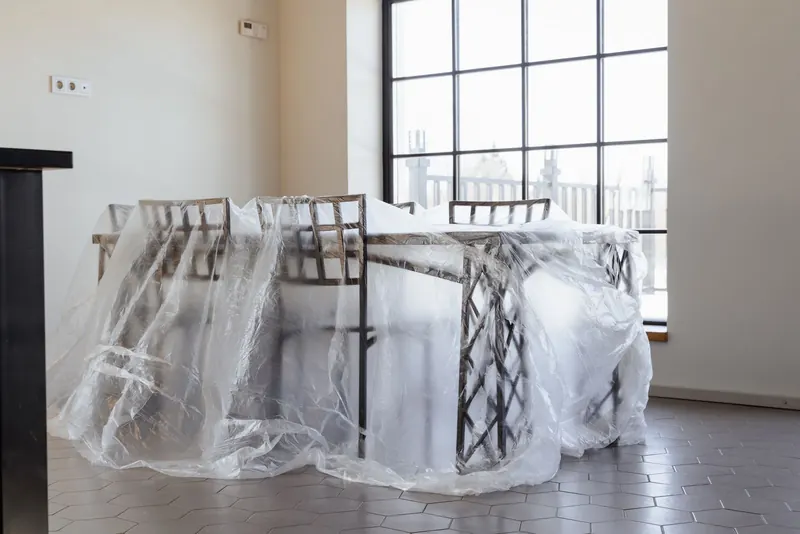
Occupied spaces are isolated using poly sheeting together with an air filtration device.
Signs, controlled entry and protective equipment support the facility manager's plan.
A HEPA air scrubber operates during removal of affected materials.
Carpet, insulation and moldy drywall ceiling tile may require removal.
For non porous surfaces and sound framing, use a HEPA vacuum after damp wiping.
Support the drying process with a dehumidifier and air movers. Air sampling can be part of independent clearance.

Call whenever you need. A commercial mold remediation specialist takes your call, discusses what you see and outlines what comes next.
Controls are important when growth is concealed, ventilation is shared or water is contaminated.
To contain dust, combine poly sheeting, a HEPA air scrubber and negative air pressure.
Mold can trigger allergy and asthma symptoms in some people. Do not let occupants enter containment.
Before repairs, a moisture meter can locate wet insulation or framing.
Can you clean it yourself? For an area under about 10 square feet, cleaning by the owner or occupant is often possible. Professional help is called for with larger areas, contaminated water or HVAC involvement. Fix water first.
The schedule varies with access, affected-area size, drying needs and moisture repairs. Concealed growth can shift it.
A musty smell may point to damp material without showing where it is. Covering the smell with fragrance does not repair water intrusion.
Indoor relative humidity should remain under 60 percent, with 30 to 50 percent preferred, according to EPA guidance. Repairs are still necessary even when a dehumidifier is used.
California has no state license or certification for mold assessors or remediators, according to the California Department of Public Health. General construction work above a small dollar amount does need a license from the Contractors State License Board (CSLB), so it is worth checking a contractor's license there and asking about their mold training. Ask the local building office about permits for demolition or reconstruction.
Fix moisture first. Dry items and areas affected by water within 24 to 48 hours to prevent mold growth.
No federal limit exists for mold indoors. Commercial mold testing needs a clearly defined question to answer.
The California Department of Public Health (CDPH) Air Quality Section publishes mold and dampness guidance and a mold FAQ. CDPH says visible mold, dampness, and mold odor are unhealthy and should be fixed, and that routine mold testing is not needed when mold is visible. Check the rules for demolition, occupancy and your type of building.
The full commercial mold remediation guide covers what is cleaned or removed, odor and air quality work, and the rules that apply in California and Los Angeles County.
Read the full commercial mold remediation guide
Property access, local housing conditions and humidity may affect how you plan mold cleanup, containment and moisture control.
A mold concern in Brentwood needs property-level evidence, including dampness, visible damage, and the confirmed water source, rather than assumptions about the whole neighborhood.
Areas under about 10 square feet can often be cleaned by the homeowner, while larger areas, HVAC systems, sewage, or contaminated water call for professional help.
During your call, ask whether mold cleanup is available in surrounding communities and ZIP codes.
Office building mold removal cleans mold from ceilings, walls and ventilation in workplaces, often with after-hours scheduling.
See office building mold removal
A mold inspection is combined with removal so workers can locate the growth before cleaning it away.
See mold inspection and removal
A visual check and air samples are part of mold clearance testing performed after removal to confirm a clean space.
See mold clearance testing
Ducts, drain pans, coils and vents receive air duct mold removal to prevent the HVAC system from continuing to spread mold.
See HVAC and air duct mold removal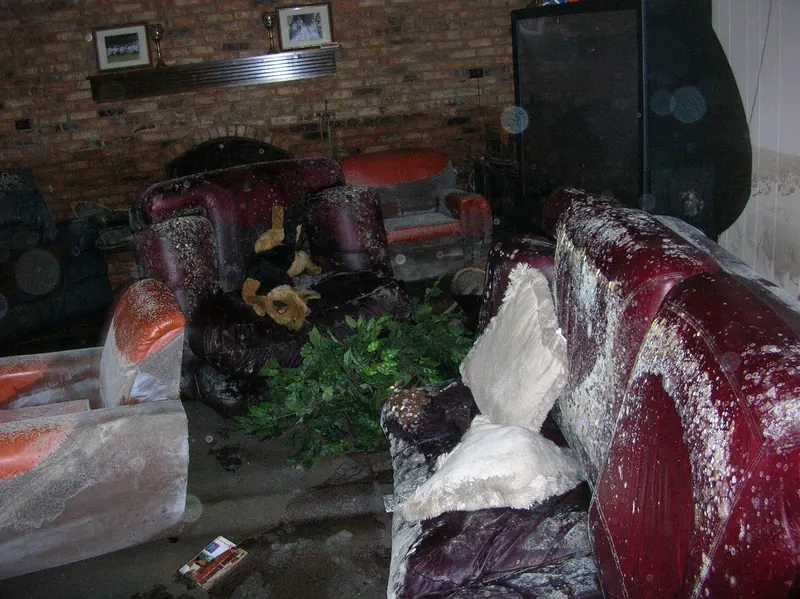
Water damage mold cleanup includes clearing growth caused by a flood or leak and drying the affected structure against a return.
See water damage mold cleanup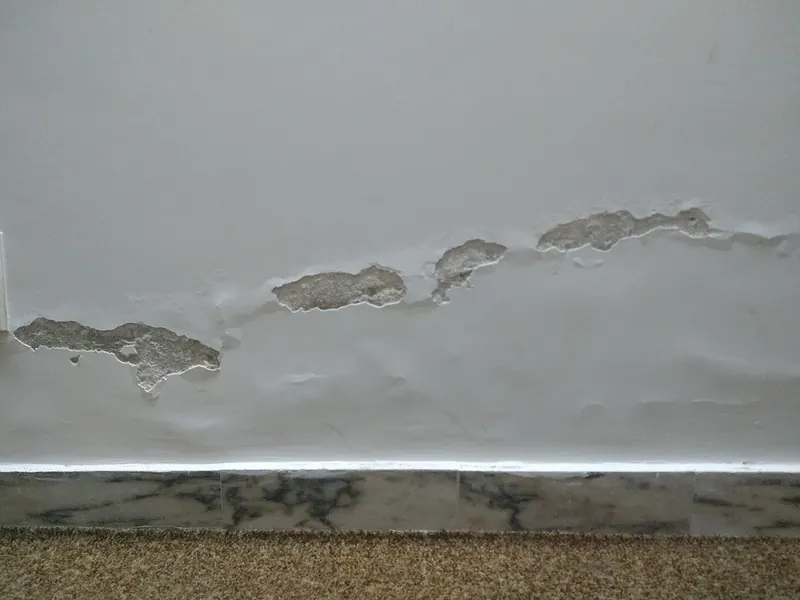
When you cannot see growth within walls, under flooring or beyond a ceiling, hidden mold remediation finds and removes it.
See hidden mold remediation (behind walls)
With mold damage restoration, mold is removed first, then affected drywall, floors, insulation and other materials are fixed or replaced.
See mold damage restoration
This overview of mold removal cost explains the effect of area size, involved materials and any repair needs.
See mold removal costIt depends on the work location, containment, HVAC zones, access and occupancy. Phased remediation or after-hours work may leave unaffected areas available, but people should not enter containment. Your schedule should specify protected routes, closed rooms, return-to-use decisions and any ventilation changes.
Cost depends on square feet, access, materials, containment, HVAC involvement and scheduling. No commercial-only national price appears in the public guides. Your actual price needs a property-specific scope and inspection because the amounts above serve only as broad benchmarks for mold work.
Damaged drywall removal may be in the scope, while its replacement might occur as separate reconstruction work. Do not cover the assembly with new material until drying is confirmed, the moisture source is fixed and remaining surfaces are clean. Check the agreement to learn if rebuilding is part of the work.
The inspection records building conditions along with water damage, odors and visible growth. Damp materials can be traced with moisture meters. Limited openings may be justified when evidence suggests hidden growth. A defined question may be addressed through testing, while inspection and moisture evidence continue to shape the removal scope.
Your cause of loss and policy terms affect coverage. A policy may respond when mold follows a sudden, accidental covered water event. Long-term leaks and recurring humidity are often excluded, and a sublimit may apply. Promptly report the event, then retain invoices, photos and moisture records.
Professional help suits extensive water damage, HVAC involvement, sewage, contaminated water and affected areas over about 10 square feet. Cleaning without containment may not suit hidden growth or spaces with shared ventilation. Only after fixing the water source might a small, isolated patch be manageable.
You can get straightforward, reassuring guidance on commercial mold remediation by calling 24 hours a day.